
Same Mission. Greater Impact: What We’ve Learned From Our First Year
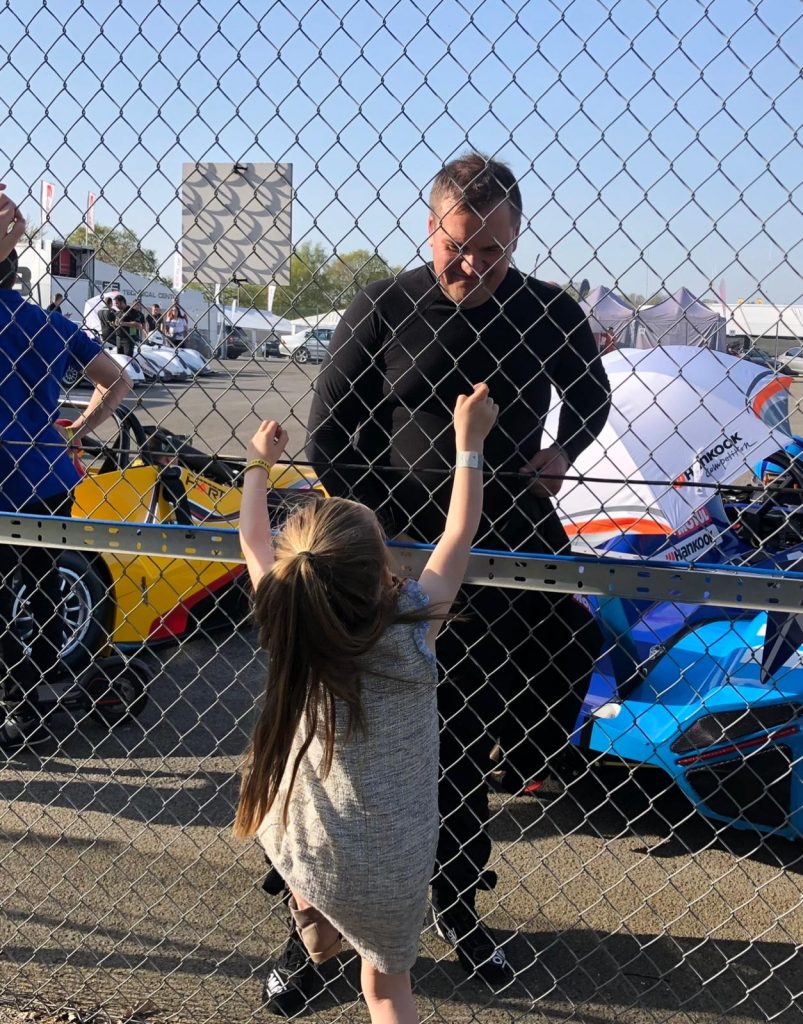
When the Mark Williams Foundation began its work, the mission was clear: to continue the values that mattered so deeply to Mark by creating opportunities for young people and helping protect children’s relationships with loving fathers.
Our first year was always going to involve learning. We were building something new, bringing together people who believed in the same purpose and working out how to turn that purpose into meaningful, sustainable action. We did not expect to have every answer from the beginning, but we were determined to start making a difference and to learn from the experience.
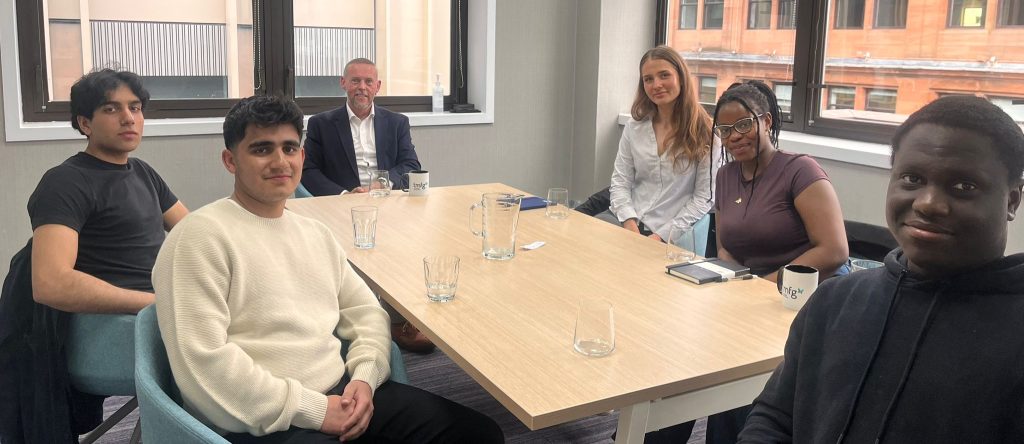
One year on, there is a great deal to be proud of. We have supported families through incredibly difficult circumstances and helped children rebuild important relationships with their fathers. We have also taken five young people through the first year of our Entrepreneurial Apprenticeship, giving them access to mentors, practical business knowledge, encouragement and opportunities to develop their ideas.
Those achievements have shown us what the Foundation can make possible. Just as importantly, they have helped us understand how we can reach more people, use our resources more effectively and make an even greater impact in the years ahead.
Recognising The Spark
One of the ideas at the heart of the Foundation comes from something Mark instinctively understood. He had an ability to recognise potential in people that others might overlook, often seeing ambition, determination and possibility before the person themselves could see it.
Mark called it “the spark”.
He did not wait for someone to arrive with the perfect qualifications, the strongest connections or the most polished business plan. He spoke to people, listened to them and recognised what they might be capable of if someone gave them the opportunity to prove themselves.
To help us reach those people, the next stage of the Entrepreneurial Apprenticeship will introduce a referral approach. We will work with mentors, business leaders and people who share the Foundation’s values to help identify young people with entrepreneurial potential who may have experienced disadvantage or limited access to opportunity.
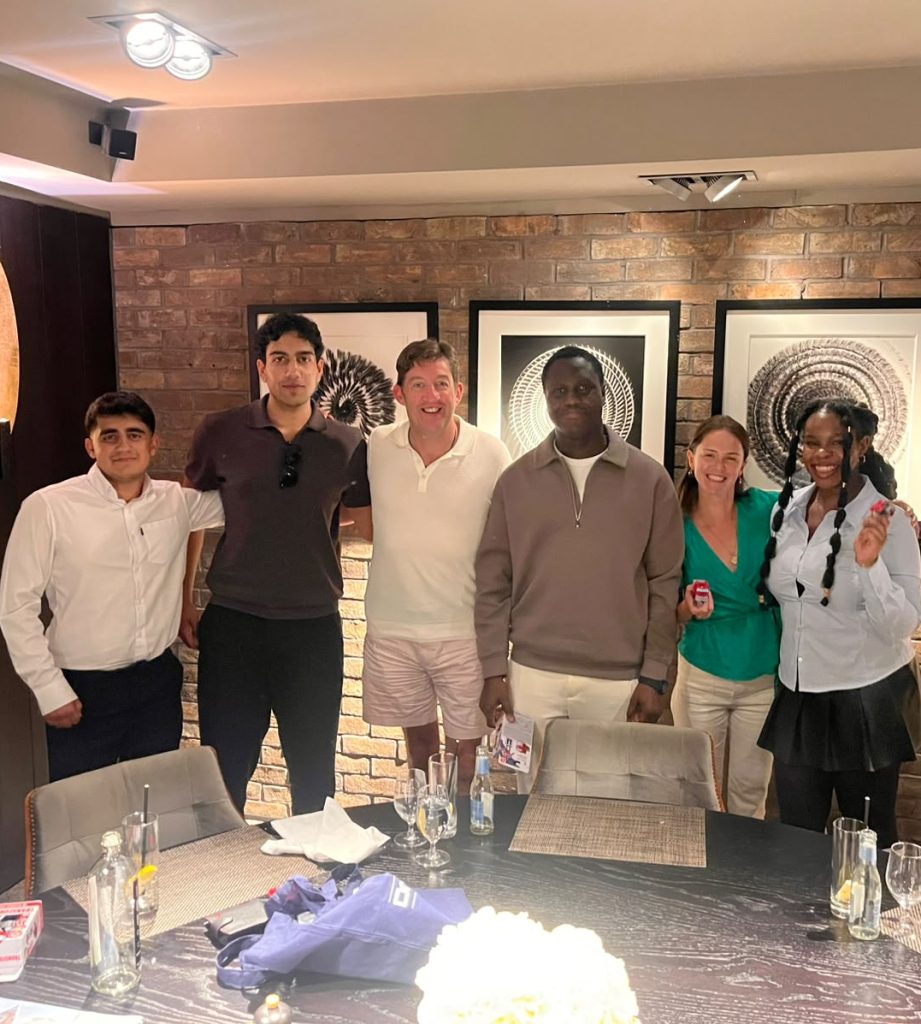
Our first Entrepreneurial Apprenticeship has shown us the value of providing that opportunity. Our first five apprentices have helped shape the programme from the very beginning, and their experiences have given us valuable insight into how it can develop. As the inaugural programme approaches its finale, they will have the opportunity to present the ideas and businesses they have developed throughout the year.
They are not simply the first people to take part in the programme. They have helped us understand more clearly what it can become.
As we look towards the next intake, we want to become better at finding people who may never have considered putting themselves forward. That could be someone with a strong idea but no business connections, someone who has never had the confidence or encouragement to pursue entrepreneurship, or someone whose potential has simply not been recognised yet.
To help us reach those people, the next stage of the Entrepreneurial Apprenticeship will introduce a referral approach. We will work with mentors, business leaders and people who share the Foundation’s values to help identify young people with entrepreneurial potential who may have experienced disadvantage or limited access to opportunity.
A referral will help us discover potential, but it will not determine who receives a place. Selection will remain fair and inclusive. The aim is to use established networks to open doors for people who may not have networks of their own.
The ambition of the programme has not changed. We are becoming better at finding the people it was always created to support.
Helping More Fathers and Supporting More Families
Our work with fathers, children and families has also taught us a great deal during our first year. We have seen how meaningful the right support can be, and we have worked with fathers navigating extremely difficult family circumstances while trying to maintain or rebuild relationships with their children.
Those outcomes are a powerful reminder of why this work matters. At the same time, our experience has made us think carefully about how the Foundation can make support accessible to more families.
Funding individual legal proceedings can require significant resources. While the outcome for one family can be life changing, relying primarily on that model limits how many people a charity of our size can realistically reach.
We are therefore developing a different approach. Rather than making the funding of individual legal cases our primary model, we want to create more opportunities for fathers to access professional information and initial guidance earlier.
By working with family lawyers who are willing to volunteer their time and expertise, we aim to create welcoming and accessible spaces where fathers can better understand their options, ask questions and receive guidance on the steps that may be available to them. This support is not intended to replace full legal representation. It is about helping people who may not know where to begin take a more informed first step.
That next stage is already beginning through our first Father Support Evening, which brings together peer support, practical information and access to informal legal guidance. It is an early example of what we hope this approach can achieve: reaching people sooner, reducing barriers to professional support and helping more families feel informed and supported through challenging circumstances.
Making Every Contribution Go Further
Behind both of these developments is a question we believe every charity should continue asking: how can we use the resources people trust us with to create the greatest possible difference?
Every donation matters, but so does every hour volunteered, every professional who gives their expertise and every mentor who makes time for a young person. For us, sustainability is not simply about ensuring that the Foundation continues to operate. It is about making sure the support we receive translates into meaningful outcomes for as many people as possible.
That means being willing to review what we are doing, listen to the people we work with and make changes when we see an opportunity to create greater impact. We do not want to measure success only by how much money we raise or how many programmes we run.
We want to understand how many people we have helped, how many opportunities we have created, how many families have benefited and how we can continue doing more of that effectively.
Same Mission. Greater Impact.

The way we deliver our work will continue to develop, but the reason the Mark Williams Foundation exists has not changed. We are still here to recognise potential where others may overlook it and to create opportunities for people who might otherwise never receive them.
We are still here to help protect the relationships between children and their fathers, and we are still here to make sure the difference Mark made in people’s lives continues long into the future.
Our first year has given us achievements to celebrate, but it has also given us something just as valuable: experience. Mark was practical. He believed deeply in people, but he also believed in action and in finding a better way when one was available.
That mindset will continue to guide the Foundation as we move forward. Year one was about turning Mark’s legacy into action. Year two is about taking what we have learned and making that impact go further.